There’s a certain myth floating around that vaginal dryness is just one of those “welcome to getting older” situations like needing reading glasses or suddenly caring about throw pillows. But the truth? Vaginal dryness can show up at almost any stage of life.
It’s also way more common than most people realize.
The frustrating part is that many women suffer through it quietly, assuming it’s something they just have to tolerate. Meanwhile, discomfort during intimacy, irritation throughout the day, and changes in confidence can slowly chip away at quality of life.
Here’s the good news: dryness is not a personal failure, and it’s not something you’re doomed to “just deal with.” Once you understand what’s actually happening in the body, finding relief becomes a whole lot easier and a lot less frustrating.
Why Dryness Happens
Yes, hormones play a major role, but this isn’t simply an “aging issue.”
Estrogen is one of the key hormones responsible for keeping vaginal tissue healthy, elastic, and naturally lubricated. When estrogen levels dip, the vaginal walls can become thinner, less hydrated, and more sensitive. That often leads to dryness, irritation, itching, or discomfort during sex.
This commonly happens during perimenopause and menopause, but hormone changes aren’t exclusive to midlife. Vaginal dryness can also appear after childbirth, while breastfeeding, during certain phases of the menstrual cycle, or after stopping hormonal birth control.
And hormones aren’t the only players in the game.
Stress, dehydration, certain medications or treatments, autoimmune conditions, smoking, and even heavily fragranced soaps can all contribute to vaginal dryness. In other words: your body has a lot of moving parts, and vaginal health responds to all of them.
Why It’s So Common
If it feels like nobody talks about vaginal dryness, and that’s because… well, most people don’t.
Many women feel embarrassed bringing it up, even with close friends or healthcare providers. Others assume discomfort is just a part of womanhood and silently power through it.
Millions of women, however, experience vaginal dryness symptoms at some point in their lives and not just after menopause. Younger women can experience it too, especially during stressful periods, postpartum recovery, or major hormonal shifts.
The silence around it creates a weird cycle: everyone thinks they’re the only one dealing with it, so nobody talks about it, which makes everyone feel even more alone.
Honestly? We’ve normalized discussing skincare routines in microscopic detail, yet somehow vaginal wellness still gets treated like a secret society topic.
That deserves to change.
Impact on Intimacy & Comfort
Vaginal dryness doesn’t only show up in the bedroom.
For some women, it can feel like persistent irritation throughout the day such as a subtle burning sensation, itching, or discomfort when exercising, sitting for long periods, or even wearing certain clothing.
Then there’s intimacy.
When lubrication decreases, sex can become uncomfortable or even painful, which naturally affects desire, confidence, and emotional connection. Some women begin avoiding intimacy altogether, not because they don’t want closeness, but because they’re anticipating discomfort.
And that matters.
What Helps
The encouraging news is that vaginal dryness is highly treatable, and there are more options available now than ever before.
For many women, simple lifestyle changes can make a noticeable difference:
- Staying hydrated
- Avoiding harsh soaps or scented products
- Using a humidifier in dry climates
- Prioritizing stress management
- Incorporating longer foreplay during intimacy
Lubricants and vaginal moisturizers can also provide immediate relief. The key is choosing products designed specifically for vaginal wellness, ideally ones free from irritating fragrances or unnecessary additives.
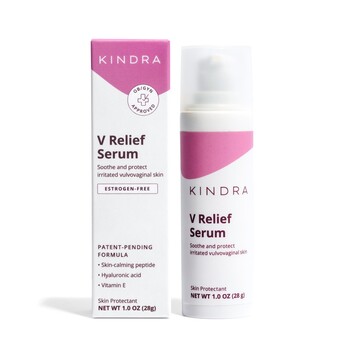
Brands like Kindra have become especially popular because they focus on clean, science-backed solutions for vaginal dryness and overall intimate wellness. Their moisturizers, lubricants, and supplements are formulated specifically for women navigating hormonal changes, without the heavy stigma or overly clinical vibe that often surrounds these conversations.
The important thing to remember is this: relief exists. You do not have to simply “tough it out.”