When it comes to skincare, most of us have learned to read ingredient labels. We know what works for our skin and what doesn't.
But when it comes to intimate care, many women are left guessing.
The truth is that the vulva and vaginal area have unique needs, and the products you use can have a real impact on comfort, hydration, and overall vaginal health. That's why understanding ingredients and what they're designed to do matters more than many people realize.
First, Let's Talk About pH
If you've ever seen a product marketed as "pH balanced," you may have wondered what that actually means.
A healthy vaginal pH is typically on the mildly acidic side, which helps support the natural environment of the vagina and maintain balance. While pH levels can fluctuate throughout life due to factors like age, hormones, menstruation, and menopause, maintaining that balance remains important for overall comfort and wellness.
The vulva and surrounding intimate skin also benefit from products that are formulated with pH in mind. Using products that are too harsh or heavily fragranced can sometimes contribute to irritation, dryness, or discomfort.
That's why many women choose pH-balanced intimate skin care products that are specifically formulated for this delicate area rather than using standard soaps or body washes. Some women also incorporate pH-supportive products into their self-care routines, such as intimate soaks designed to help maintain comfort and support a balanced environment. Kindra Gentle Soothe Bath Soak & Shower Gel, for example, is formulated with pH balance in mind and can be an easy addition to an overall intimate wellness routine.
Why Ingredients Matter More Than Marketing Claims
The intimate care aisle is full of products promising freshness, cleansing, or hydration. But flashy claims don't always tell the whole story.
The real question is: what's inside the formula?
Ingredients play a major role in how a product feels and performs. Some ingredients help attract and retain moisture, while others are designed to support the skin barrier and soothe sensitive tissue.
When evaluating intimate care products, it's worth looking beyond the packaging and focusing on formulations that prioritize hydration, comfort, and skin compatibility.
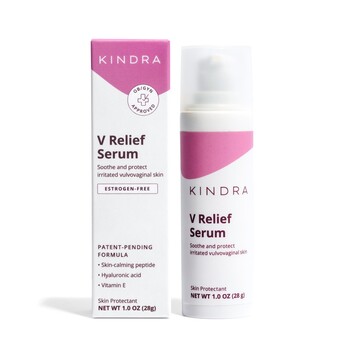
For example, women experiencing dryness may benefit from a gynecologist-tested vaginal moisturizer that is specifically designed to support ongoing hydration rather than provide temporary relief alone.
Ingredients to Avoid in Intimate Products
Not every ingredient belongs in intimate care.
While everyone's skin is different, certain ingredients are more likely to cause irritation in sensitive areas.
Some women choose to avoid:
- Heavy fragrances or perfumes
- Harsh sulfates and detergents
- Drying alcohols
- Unnecessary dyes or colorants
- Formulas that create a strong cooling or tingling sensation
That doesn't mean every product containing these ingredients will cause problems, but for women with sensitive skin or existing dryness, gentler formulations are often the better choice.
The goal isn't simply to make products feel luxurious. It's to support the natural health of intimate skin.
What Does "Clinically Tested" Actually Mean?
"Clinically tested" is one of those phrases that appears everywhere, but many consumers aren't sure what it actually indicates.
In general, clinically tested means a product has been evaluated with human participants to assess factors such as safety, tolerability, or performance. However, not all testing is created equal.
It's important to understand that the phrase doesn't automatically mean a product has undergone large-scale medical trials or that every claim has been independently verified.
That's why it can be helpful to look for additional details, such as whether a product has been gynecologist tested, dermatologist tested, or supported by clinical data related to comfort, hydration, or skin health.
When brands provide transparency around their testing process, consumers are better equipped to make informed decisions.
Clean Doesn't Always Mean Better
"Clean beauty" has become a popular term, but there isn't a single universal definition of what clean means.
Instead of focusing solely on buzzwords, it can be more helpful to evaluate whether a product is formulated thoughtfully for intimate skin.
A well-formulated product should prioritize effectiveness, safety, and compatibility with sensitive tissue. In many cases, that means choosing products that are free from unnecessary irritants while still containing ingredients that actively support hydration and skin health.
The best intimate care products aren't necessarily the ones with the longest list of claims, they're the ones that help you feel comfortable, supported, and confident in your daily routine.
Making Informed Choices for Intimate Wellness
Understanding vaginal health doesn't require a science degree. Often, it comes down to paying attention to ingredients, choosing products designed specifically for intimate care, and supporting your body's natural balance.
Whether you're looking for a pH-balanced intimate skin care routine, a clinically proven vulva care solution, or a gynecologist-tested vaginal moisturizer to address dryness, ingredient quality matters.
For some women, that may mean incorporating targeted products for ongoing hydration or using a pH-supportive soak as part of a regular self-care routine. The right products won't change your body overnight, but they can help support comfort and confidence when used consistently.
The more you understand what's in your products, and why those ingredients are there, the easier it becomes to make informed choices that support long-term intimate wellness.