There’s a lot of talk about hot flashes and sleep struggles during menopause. What doesn’t get nearly enough attention? How menopause can affect intimacy.
For many women, intimacy starts to feel different during this stage of life and not because they suddenly lose interest in their relationships. Physical changes, shifting hormones, and emotional factors can all play a role. The result is often a topic that gets pushed aside, leaving women wondering if what they're experiencing is normal.
It is.
And more importantly, there are ways to navigate it.
Why Intimacy Can Change During Menopause
As estrogen levels decline, the tissues of the vagina and vulva can become thinner, drier, and less elastic. These changes can make intimacy feel uncomfortable or even painful in ways it never did before.
At the same time, menopause can bring sleep disruptions, stress, mood changes, and fatigue are all factors that can affect desire and connection. For some women, low libido during menopause becomes frustrating. For others, the physical discomfort is the biggest hurdle.
Whatever you're experiencing, you're far from alone.
When Dryness and Discomfort Get in the Way
One of the most common concerns women report during menopause is vaginal dryness. While it may sound like a minor inconvenience, the reality can be much more significant.
Dryness can lead to irritation, burning, and painful intercourse during menopause, making intimacy something you begin to avoid rather than enjoy. Over time, that avoidance can create distance, frustration, or misunderstandings within a relationship.
The good news is that discomfort doesn't have to become your new normal.
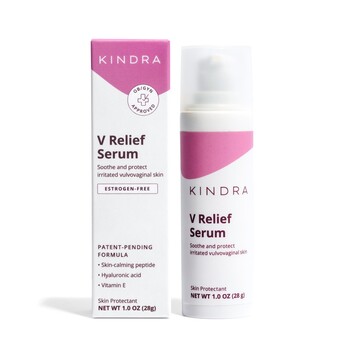
Many women find relief through products designed to support the health of vaginal tissue. A hormone-free vaginal moisturizer can be a valuable option for those looking to address dryness while supporting overall comfort and confidence.
The Confidence Factor No One Mentions
Physical symptoms are only part of the story.
When intimacy becomes uncomfortable, it's common for confidence to take a hit. You may start worrying about pain, feel disconnected from your body, or wonder why something that once felt effortless now requires more thought and planning.
These feelings are incredibly common, but they don't define you or your relationship.
Menopause is a transition, not a permanent loss of intimacy. Giving yourself permission to acknowledge what has changed is often the first step toward finding solutions that work for you.
How to Talk to Your Partner About Menopause Dryness
Many couples struggle because they simply aren't talking about what's happening.
If intimacy has become uncomfortable, your partner may not fully understand why. They may interpret less frequent intimacy as a lack of interest when the real issue is physical discomfort.
A few simple approaches can help:
- Be direct about what you're experiencing physically.
- Explain that menopause-related dryness and discomfort are common physiological changes.
- Focus on finding solutions together rather than assigning blame.
- Discuss what feels comfortable and what doesn't.
- Keep the conversation ongoing instead of treating it as a one-time discussion.
Open communication can prevent menopause relationship problems related to intimacy and help both partners feel more connected and supported.
Supporting Intimacy During Menopause
There isn't one solution that works for everyone. Often, it's a combination of communication, self-care, and the right support products. For women navigating vaginal dryness or discomfort, daily moisturizers such as those from Kindra can be one piece of a broader menopause wellness routine, alongside healthy habits and open conversations with a partner.
The key is remembering that intimacy isn't all-or-nothing. Small improvements in comfort and confidence can make a meaningful difference over time.
Intimacy Doesn't Have to Be Off the Table
Menopause can bring changes to intimacy, but it doesn't mean giving up on connection, pleasure, or confidence. Understanding what's happening in your body, communicating openly with your partner, and exploring supportive solutions can make a meaningful difference.
Because intimacy during menopause isn't about returning to who you were before, it's about finding what works for you now.